First-time learner
You want to understand the order of actions before attempting a larger creative project.
A short, focused exercise gives you a way to check whether the lesson makes sense in practice.
magiclight tutorial for beginnersWatch with purpose
A magiclight tutorial youtube search can produce plenty of viewing, but the useful result is a repeatable workflow. Use this guide to move from choosing a lesson to testing one focused idea.
Start where you are
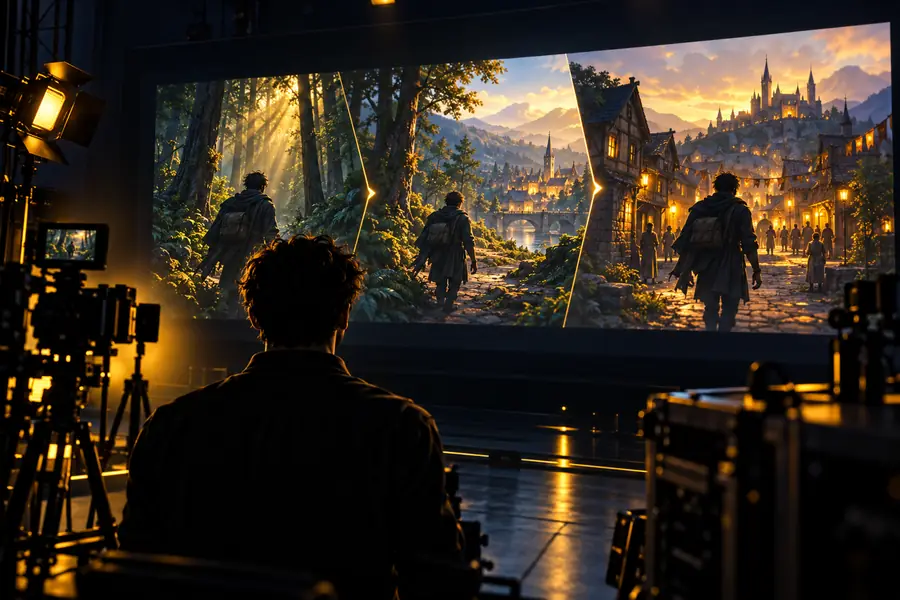
Most viewers already have a loose process: find a video, pause at the important moment, copy an example, and decide what to try next. The goal is to make each handoff deliberate.
Use a beginner-friendly path when you want the basic sequence explained without assuming prior practice.
Compare practical questions and troubleshooting ideas before applying a lesson to your own project.
Browse example-led inspiration when you need a concrete starting point rather than another abstract explanation.
Review the online video angle when your next step is to turn a written idea into a visual experiment.
Match the lesson
A YouTube lesson is most useful when it meets a specific job. Choose the role you already play in the pipeline, then carry one small test from the video into your own work.
You want to understand the order of actions before attempting a larger creative project.
A short, focused exercise gives you a way to check whether the lesson makes sense in practice.
magiclight tutorial for beginnersYou have a premise or scene idea but need to see how a tutorial turns it into a usable prompt.
You can separate the story decision from the wording experiment and revise one part at a time.
magiclight examples freeYou are comparing a watched demonstration with the workflow you already use for short visual projects.
A side-by-side checklist shows which steps are worth borrowing and which belong to your existing process.
magiclight online video generatorA result differs from the tutorial and you need to identify whether the cause is the prompt, the sequence, or the review step.
You get a calmer way to isolate one variable instead of changing everything at once.
how to use magiclight redditUse the lesson
Treat the video as a reference, not a script you must copy exactly. The three-part flow below keeps watching, testing, and reviewing separate.
While watching, write down one prompt choice, sequence, or review habit that directly matches your current goal. Ignore side paths until the first test is complete.
Change as little as possible between the tutorial example and your own attempt. Keep the subject or outcome clear so you can tell what the lesson actually changed.
Compare the result with your intended outcome, then adjust one phrase or decision. Record what changed so the next viewing session builds on evidence.
Define the handoff
A useful tutorial session ends with a small, inspectable deliverable. This table distinguishes what to take from the video from what to produce during your own test.
From the tutorial
One clearly stated demonstration or lesson objective
For your test
One idea that can be tested without adding unrelated requirements
From the tutorial
The wording shown or described in the lesson
For your test
Your adapted wording, kept separate from the original
From the tutorial
The order in which the creator performs key actions
For your test
The order you actually followed during the test
From the tutorial
What the lesson says to notice in the result
For your test
What matched, differed, or needs another attempt
From the tutorial
The example's fixed assumptions and context
For your test
One deliberate change made for your own scenario
From the tutorial
A lesson worth revisiting or skipping
For your test
A saved prompt, result, and next adjustment
Make progress visible
The most useful comparison is not a polished claim; it is a record of what changed between watching and applying.
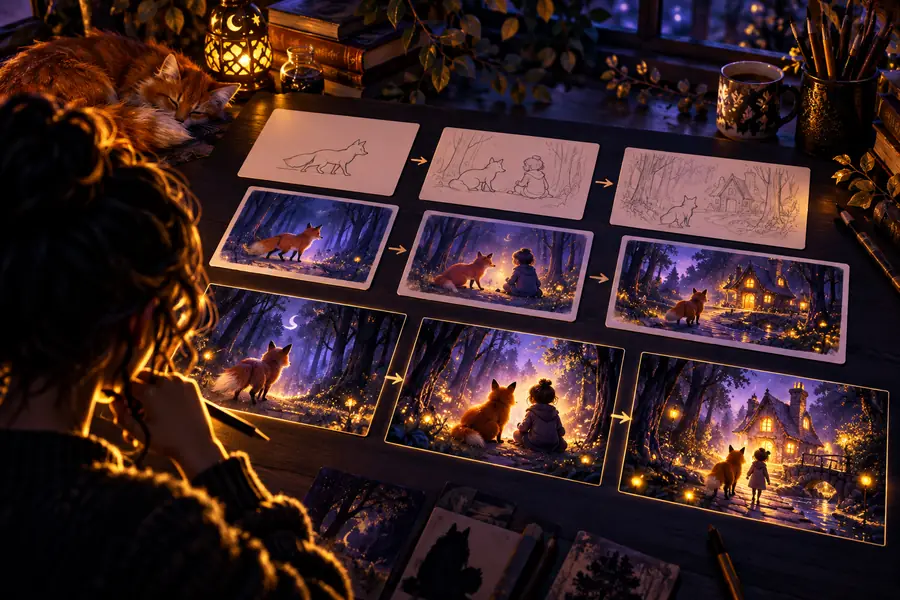
The after state adds a prompt record, a review question, and one controlled change.
Know the limits
A tutorial can clarify a process, but it cannot remove every variable from your own project. These caveats keep the lesson useful without treating one demonstration as a guarantee.
A demonstration can be built around a different subject, tone, or expected result than the project you have in mind.
WorkaroundBorrow the process, then rewrite the test around one outcome that matters to you.
Small changes in context or phrasing can lead to a different result, so copying a prompt is not the same as understanding it.
WorkaroundKeep the original and adapted wording side by side and change one phrase at a time.
A video often shows the successful path more clearly than the discarded experiments behind it.
WorkaroundExpect a review loop and keep notes on what you changed between attempts.
Recognising a step while viewing does not prove that you can reproduce it without guidance.
WorkaroundPause before each major action and explain the next move in your own words.
Take the next step
Choose one idea, carry one useful technique from the video, and begin with a small result you can review. A focused first attempt creates better feedback than collecting more tabs.
Common questions
These answers address the practical questions behind a magiclight tutorial youtube search, without assuming that one video fits every workflow.
Look for a lesson that shows the goal, the important input, and how the result is reviewed. A useful tutorial gives you enough process detail to test one idea yourself rather than only presenting a finished showcase.
It can be a helpful starting point when the lesson has a clear sequence and a manageable example. Pause often, write down the key decision, and repeat the smallest part of the workflow before attempting a larger project.
Use the prompt as a reference, not as a promise of the same result. Keep the original wording visible, adapt it to your own subject, and change one element at a time so you can understand the effect.
The subject, wording, sequence, and review standard may all differ from the demonstration. Compare those variables one by one, then repeat a smaller test instead of rewriting the entire idea at once.
Save three things: the lesson's useful move, your adapted prompt, and a short note about what changed in the result. Reusing that record lets the next session begin with a testable decision rather than another blank page.